The Story
Rick in his own words
From the bandstand at the Jazz Estate in Milwaukee to a single live take
in Long Island City, Rick Germanson tells the story behind Moon River.
Milwaukee and the Jazz Estate
Rick grew up in Milwaukee, where the Jazz Estate was his proving ground.
Headliners came through town. He remembers Eastern Rebellion and Cedar Walton
playing the tunes from Simple Pleasure. In that same stretch he heard
players including Manty Ellis, and the band Big Bang Theory, with vocalist
Billy Staff. He also played a lot with Berkeley Fudge, at the Estate and
all over Milwaukee.
“Growing up in Milwaukee, and particularly the Estate, was a very important proving ground and a very important learning ground.”
“I remember seeing Eastern Rebellion there, Cedar Walton. When Simple Pleasure came out, they played all the tunes from that record. I’ll never forget that.”
“I played a lot with Berkeley Fudge at the Estate and all over Milwaukee, and learned so much from him, because he would just start playing the tune and not even tell me what it was. So that was an important time.”
Charles Davis
Years later in New York, Rick performed and recorded with saxophonist
Charles Davis, including on Davis’s For the Love of Lori.
He still talks about that time as a direct line to the music’s source.
“I was very lucky and blessed and honored to have performed and recorded with Charles Davis.”
“Among the closest I ever got to the real bebop source. I cherish those memories always.”
The APA win, and New York since 1998
A win at the American Pianists Association competition came with a recording
contract and, in Rick’s account, the confidence that helped him move to New York.
He has been there since 1998.
“Winning the APA was a great experience. They did give me a recording contract. My first record is based on that, and it basically helped propel my move to New York. It kind of gave me the confidence. So it was important.”
“What’s New York taught me since 1998? Everything changes. New York has changed a lot in that time. You got to deal with it and find your own way. It’s a constantly changing city, which is an amazing thing.”
“I’m just looking at the resurgence of clubs lately, and the younger generation is picking up.”
The one-take session
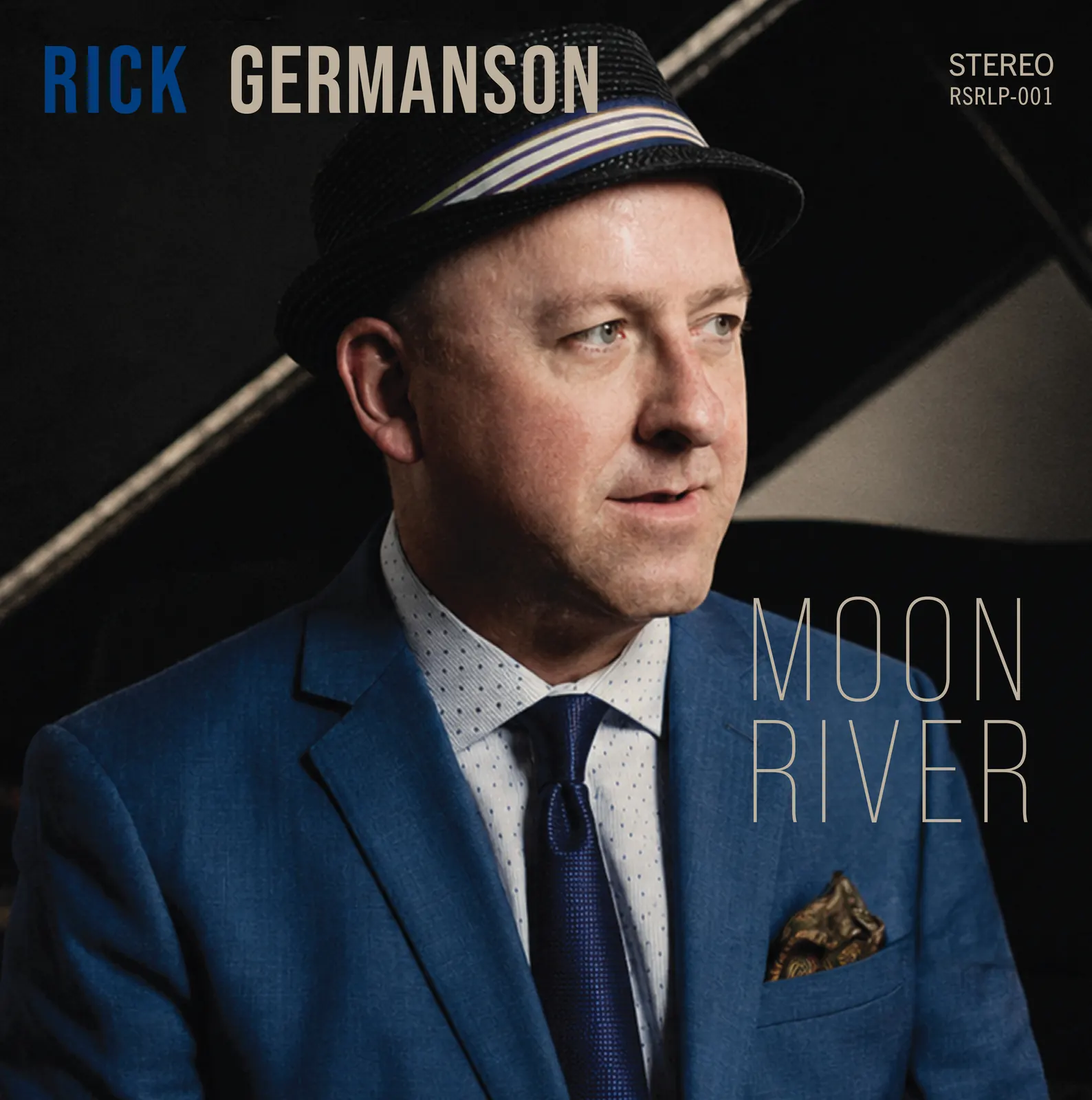
Moon River is Rick’s first record of mostly standards. The trio is
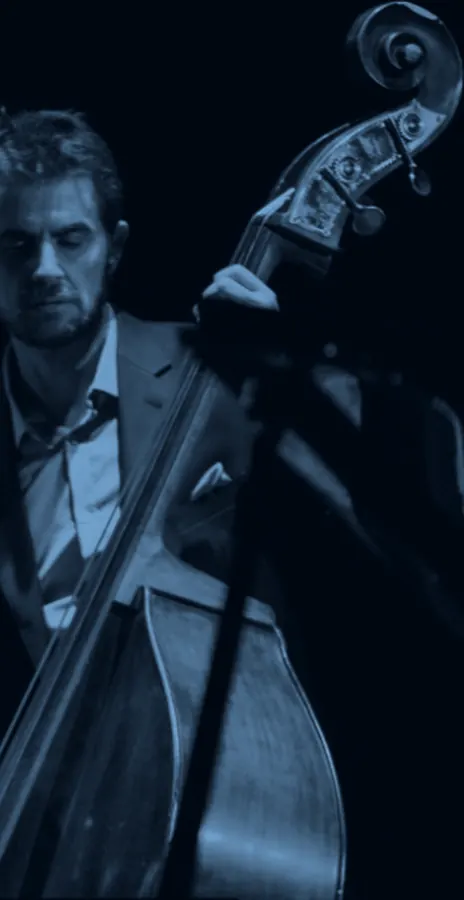
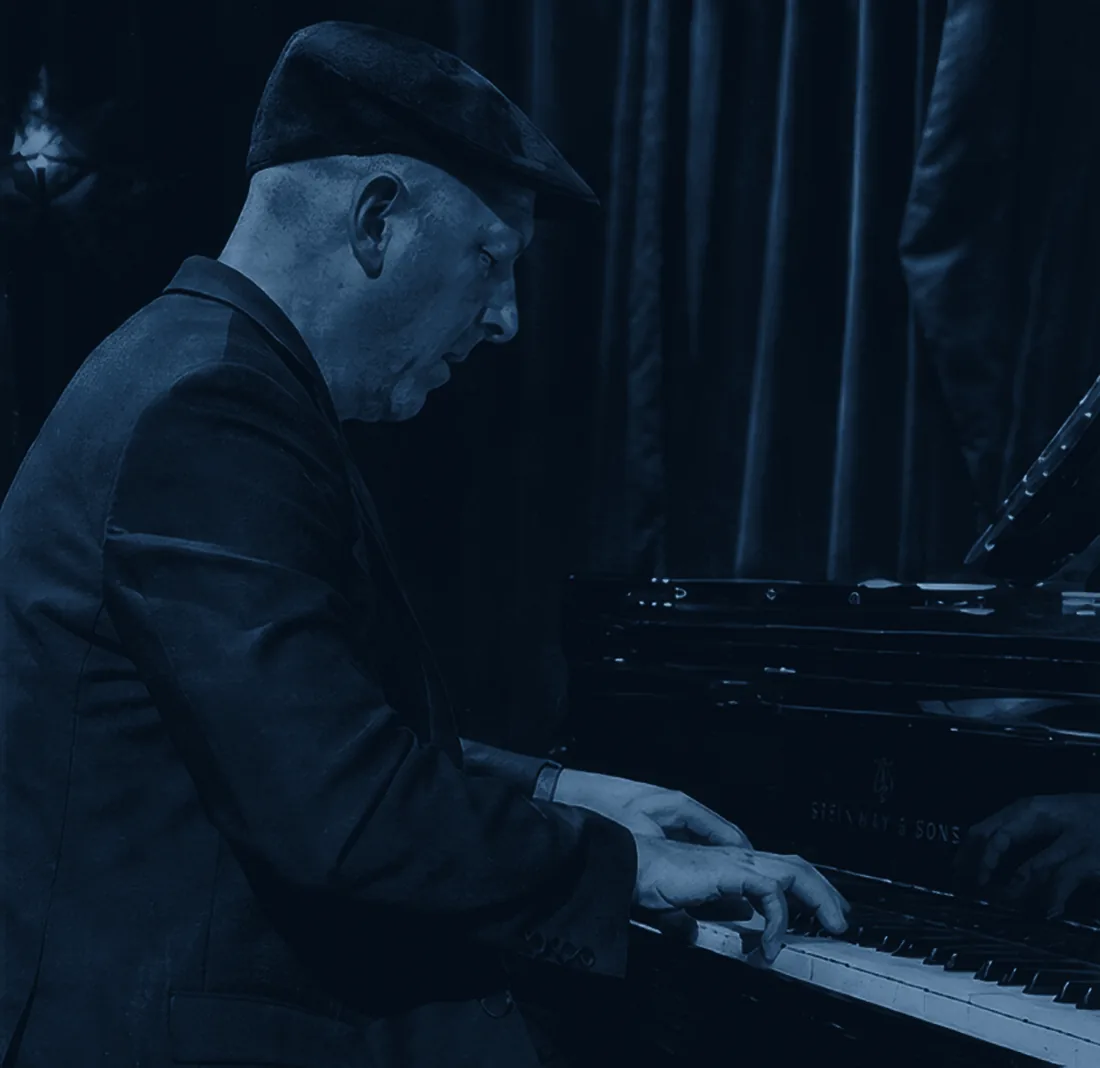
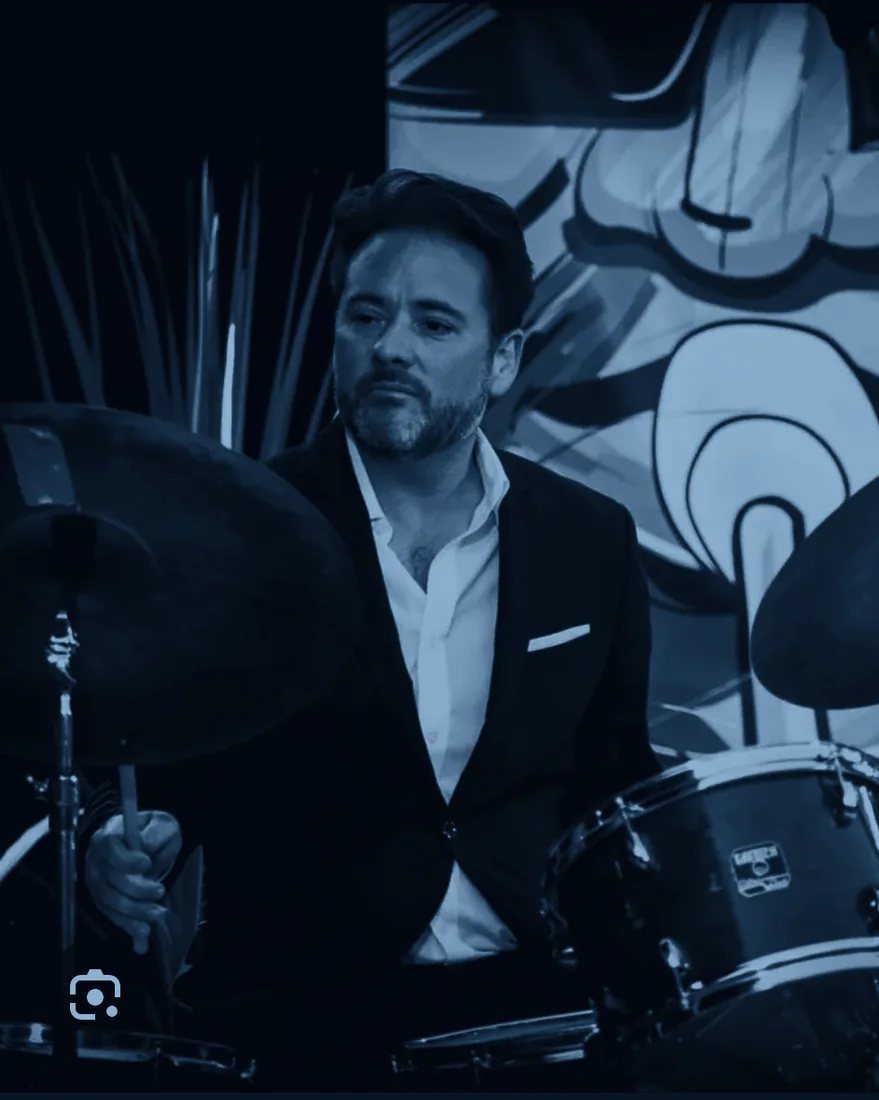
Rick on piano, Paul Gill on bass, and Joe Strasser on drums. They recorded
on January 15, 2026, at GB’s Juke Joint in Long Island City. Rick and Joe
first played together at Augie’s, the West Side club that later became Smoke.
The first tune they played was this arrangement of “I Didn’t Know What Time It Was.”
“Joe puts his groove on it. And that’s how we first met, and we’ve been very close friends all these years.”
“We feel very comfortable there. I like the piano, and we feel natural there. It’s always kind of a party atmosphere and feels loose.”
“We just went in and basically did everything in one take. It was a pretty incredible day, a very cold day in January. Nice and snug inside, and again, playing with these cats, I barely had to say anything. We just went in and hit. There’s no punching in or anything on this record. It’s all live.”
“I never did a record of mostly standards. So I finally felt like I was mature enough.”
“I feel like the trio really captured what I was after. I feel the joy comes through.”
Brick’s Blues
The album’s original is a blues for himself, inspired by Wynton Kelly, with
a hidden twelve-tone row at the very end. The title comes from a nickname
that started in conversation with Eric Alexander: Brick, later Brickhouse,
and other variations that have lasted for years.
“Everybody had nicknames back then, and all these years later, they still stuck. Those were great times. I learned a lot, and we had a lot of fun, too.”
“It’s amazing that all these cats today still call me that, before my first name, or in lieu of my first name.”
“It’s just a blues, and I always say, sometimes, you want something done, you got to do it yourself, so: blues for myself. Inspired by Wynton Kelly. And the very end is actually a kind of a hidden 12-tone row. That’s inside baseball.”
“I feel you could drop the needle anywhere on this record. I’m very proud of it. But if I had to pick one track, I’ll say Brick’s Blues, just because I feel that’s the most me on the record.”
Why vinyl
“Oh man, I love vinyl. Always have, and I feel it’s the best way to listen to music in general.”
“There’s nothing like the sound of that. It’s very important to me.”
Why Moon River
“I felt like this was the time to make this recording. This is really a ubiquitous and well-known standard, but I feel my arrangement put my personal stamp on it. I hadn’t felt like it was the right time to document this and other well-known standards.”